Fiber optic technology plays a central role in modern IT infrastructure, from enterprise networks to large-scale data centers. While the cables themselves often get the most attention, the connectors at the end of those cables are just as important. They determine how easily systems can be connected, how reliable the connection is, and how efficiently space can be used.
For anyone working with fiber, having a basic understanding of the most common connector types can make it much easier to choose the right components and avoid compatibility issues.
A brief introduction to fiber connectors
Fiber connectors are designed to precisely align the cores of two fiber optic cables so that light signals can pass between them with minimal loss. Over time, several connector types have emerged, each with its own design, locking mechanism, and typical use case.
Some connectors are compact and suited for high-density environments, while others are built for durability or specialized applications. In this article, we’ll take a closer look at five of the most widely used types: LC, SC, ST, MTP/MPO, and FC.
LC connector
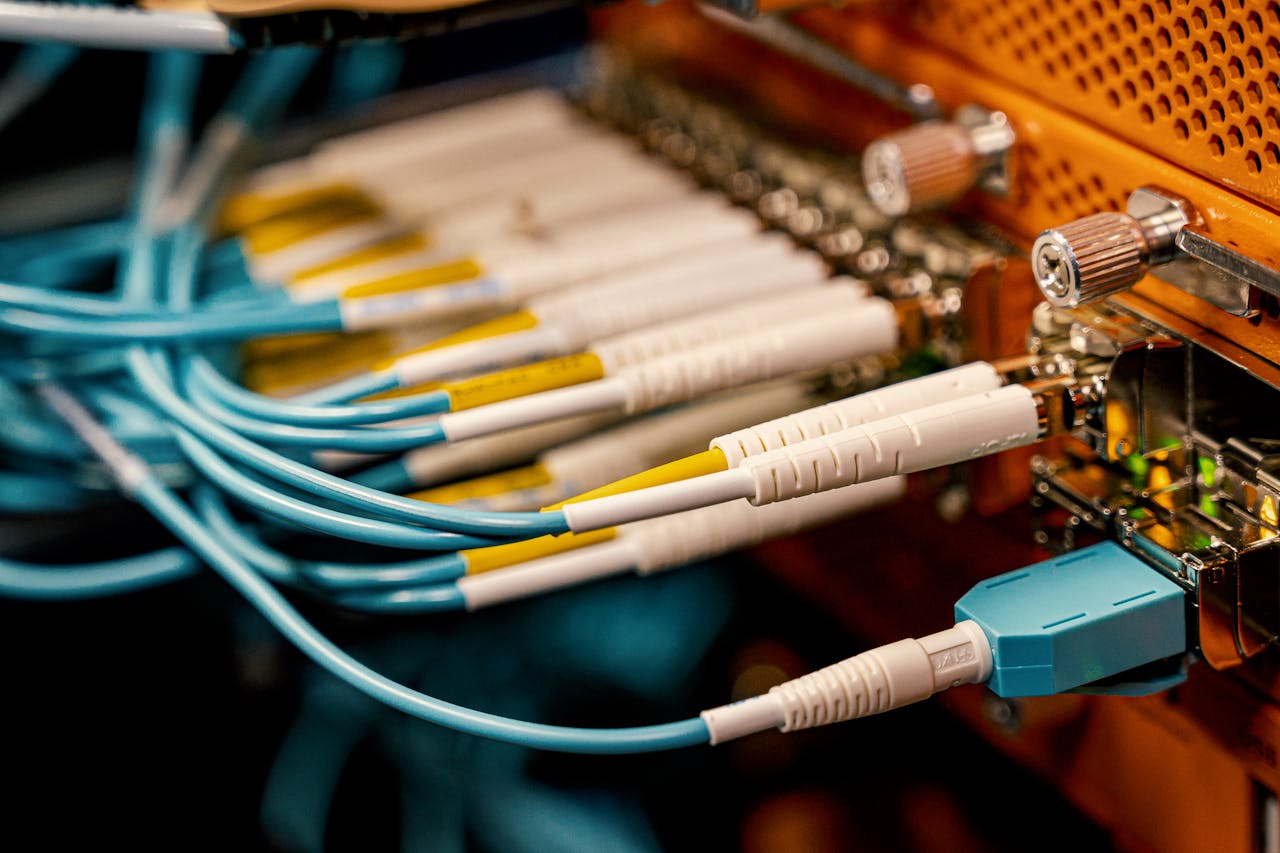
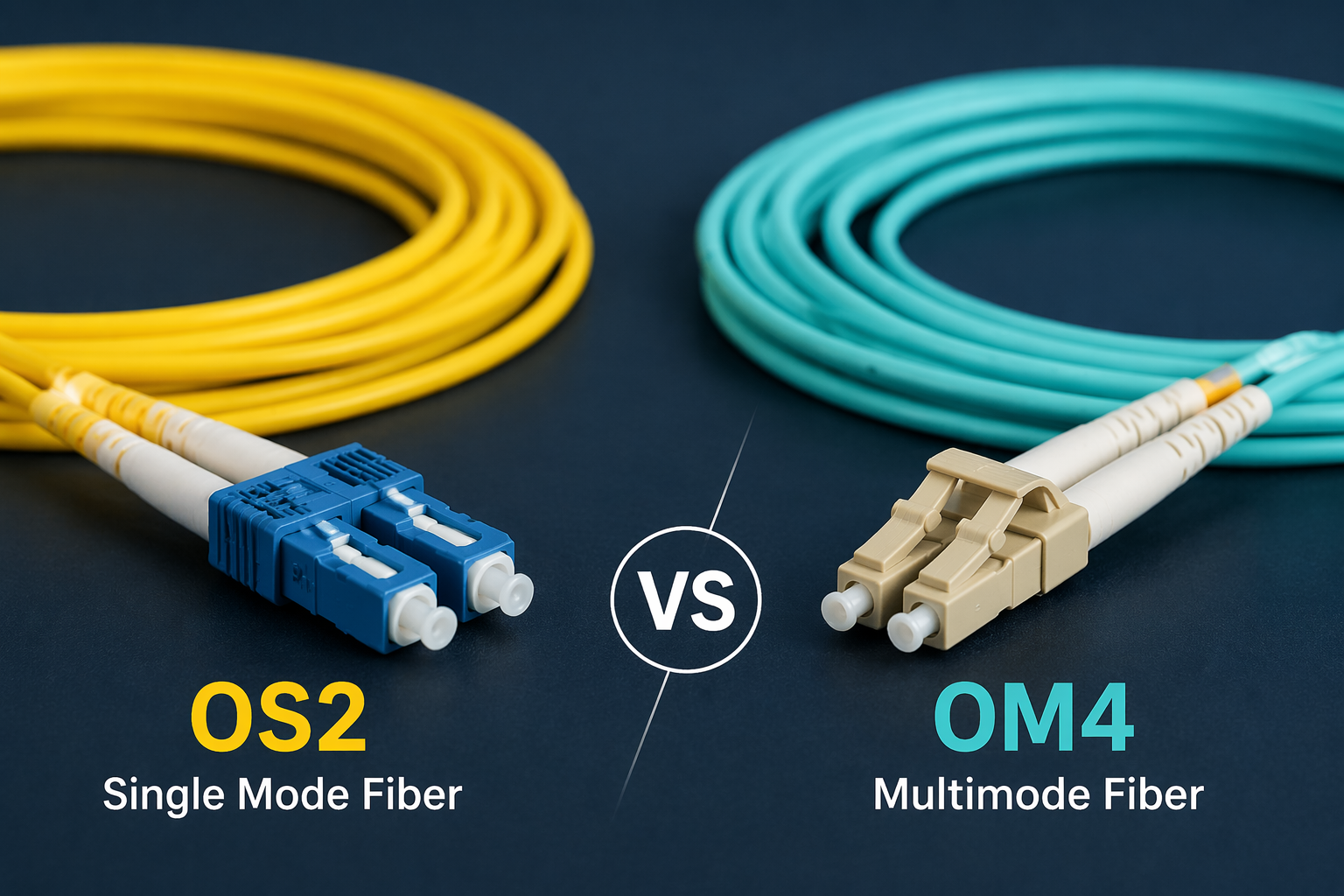
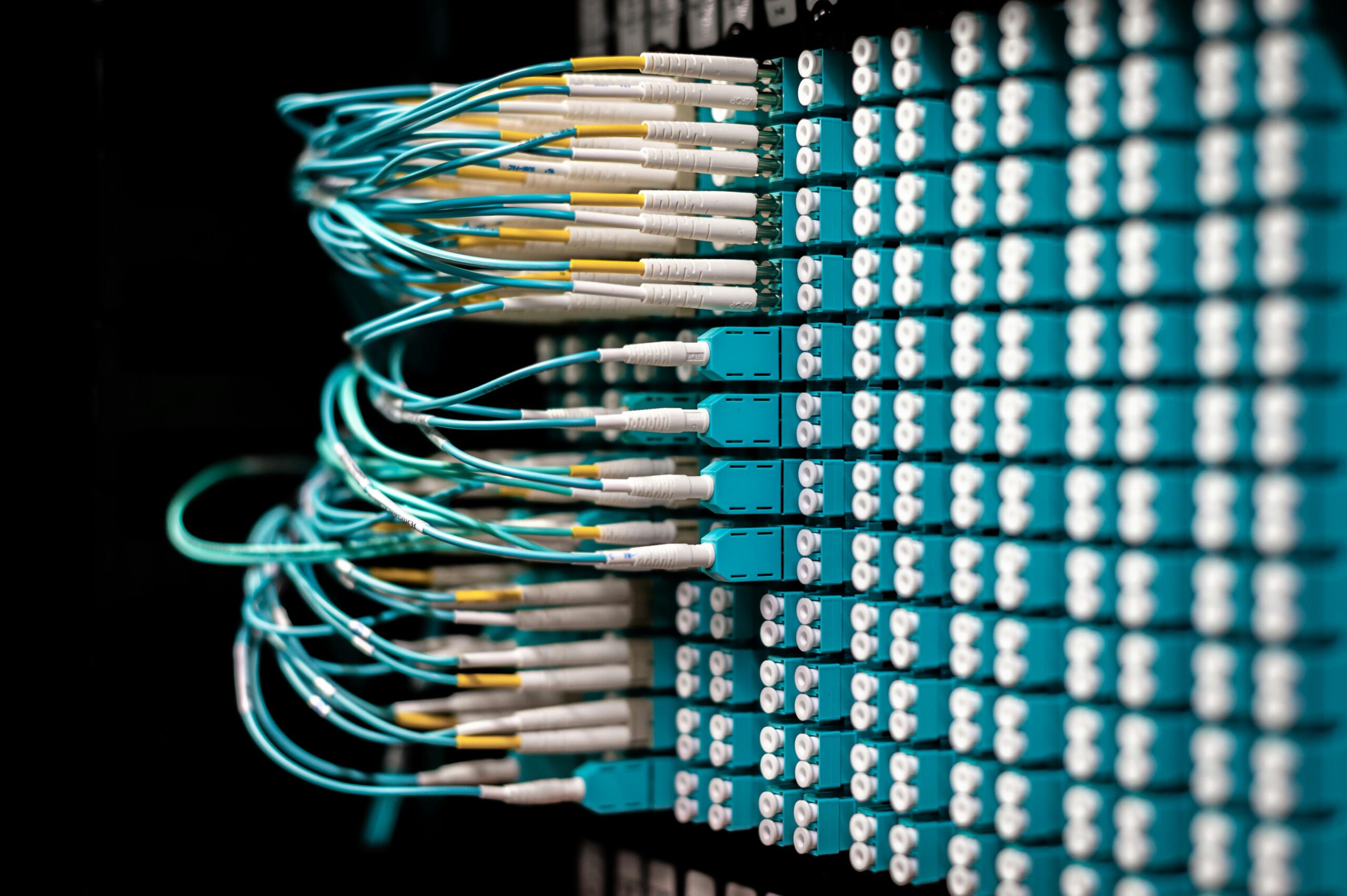
The LC connector is one of the most commonly used fiber connectors today, especially in modern IT environments. Its compact design makes it ideal for high-density applications, such as data centers and server rooms where space is limited.
It features a push-pull locking mechanism and is roughly half the size of older connectors like SC. This smaller form factor allows more ports to fit into the same space, which is a key advantage in environments where scalability matters.
LC connectors are widely used with transceivers and network switches, making them a standard choice in many enterprise setups.
SC connector
The SC connector has been a long-standing standard in fiber networking. It uses a simple push-pull mechanism that makes it easy to connect and disconnect, even for those with limited experience.
Larger than LC connectors, SC connectors are less suited for high-density environments but are still widely used in telecommunications and structured cabling systems. Their reliability and ease of use have made them a popular choice for many years.
You will often encounter SC connectors in patch panels and distribution frames, particularly in installations where space is less constrained.
ST connector
The ST connector is easily recognizable by its round shape and bayonet-style locking mechanism, which requires a twist to secure the connection. This design provides a firm and stable connection, even in environments where cables may be subject to movement or vibration.
ST connectors were once very common, especially in campus networks and industrial applications. While they are less frequently used in newer installations, they are still found in legacy systems and certain specialized environments.
For organizations maintaining older infrastructure, understanding ST connectors remains relevant.
FC connector
The FC connector is known for its threaded coupling mechanism, which provides a very secure connection. This makes it well suited for environments where stability and precision are essential.
FC connectors are often used in applications that require high performance and minimal signal loss, such as testing equipment and certain telecommunications systems. While they are less common in general IT networking today, they still play an important role in specific use cases.
MTP/MPO connector
MTP and MPO connectors are designed for high-density, high-performance applications. Unlike the other connectors discussed so far, they can connect multiple fibers at once within a single connector.
This makes them particularly useful in data centers, where large amounts of data need to be transmitted efficiently. By combining multiple fibers into one interface, MTP/MPO connectors simplify cable management and reduce the amount of physical space required.
They are commonly used in backbone cabling and high-speed network deployments, where scalability and performance are critical.
Comparing the most common fiber connectors
Each connector type has its own strengths, and the best choice depends largely on the application.
LC connectors are typically found in modern, high-density environments like data centers, where space efficiency is a priority. SC connectors remain common in telecommunications and structured cabling due to their simplicity and reliability.
ST connectors are mostly associated with legacy systems and industrial setups, where their robust locking mechanism is beneficial. FC connectors, on the other hand, are more specialized and are often used in scenarios where a highly secure and stable connection is required.
MTP/MPO connectors stand out in high-capacity environments, especially where multiple fibers need to be managed efficiently in a compact form.
Understanding these differences helps in selecting the right connector for a given setup and ensures compatibility with existing infrastructure.
Final thoughts
Fiber connectors may seem like small components, but they have a significant impact on the performance and usability of a network. By becoming familiar with the most common types and their typical applications, IT professionals can make more informed decisions and build more efficient systems.
Whether you are working on a new installation or maintaining an existing network, a solid understanding of these connectors is an essential part of working with fiber optics.